
In the evolving landscape of decentralized finance, JoinBond tokenized bonds stand out as a fresh mechanism to generate yield while championing open-source innovation. Imagine locking your USDC into a blockchain bonding platform, retaining your principal, and directing the interest earned straight to developers building the next big tools in crypto. That's the promise of JoinBond, where supporters bond USDC to open-source projects, fostering growth in the ecosystem without sacrificing returns.
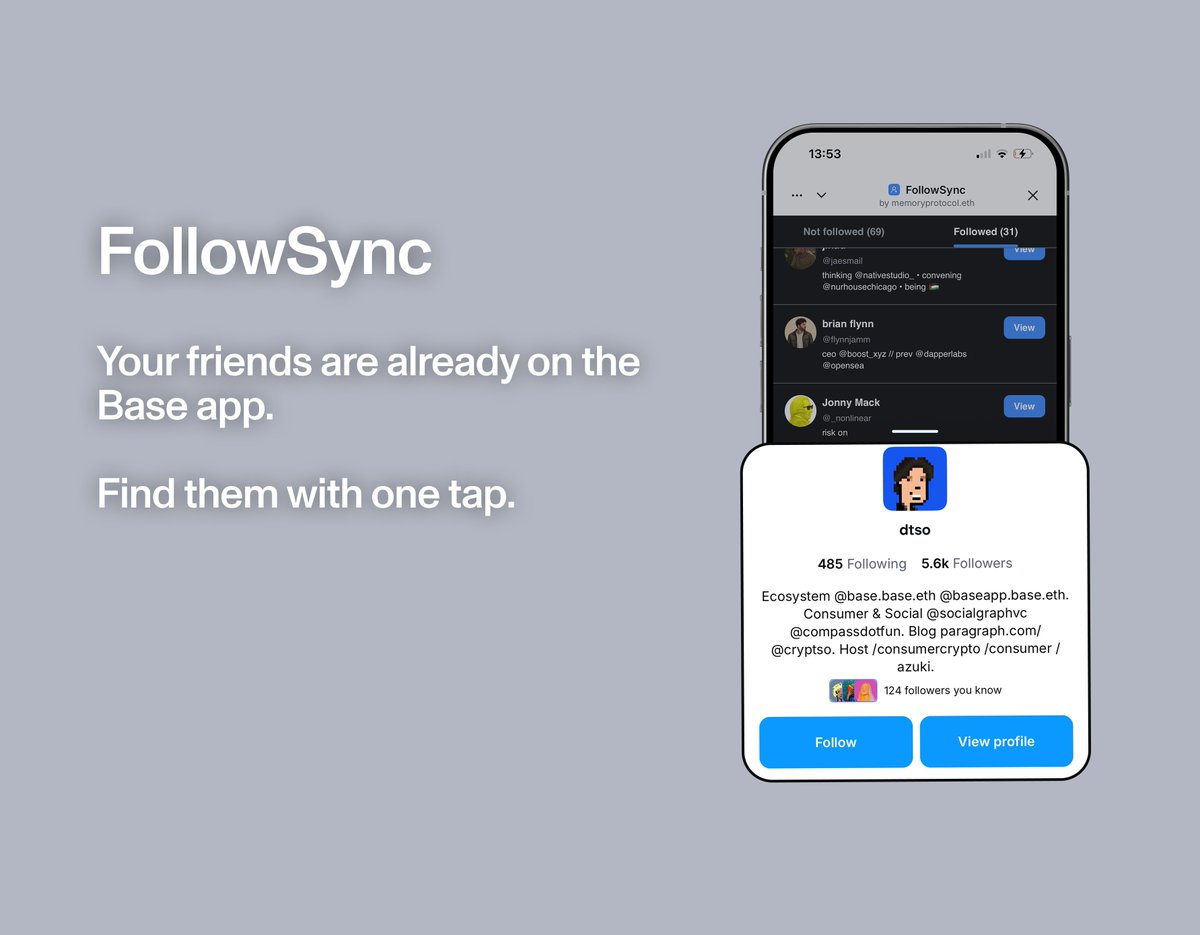
This isn't just another DeFi yield farm; it's a targeted way to bond USDC to open source initiatives, blending philanthropy with profitability. Projects like OpenClaw, an emerging open-source effort behind Clawdbot, have already seen substantial backing. David Tso recently bonded $100,000 USDC to OpenClaw via JoinBond, highlighting how creators can claim interest while builders keep the funds flowing into development.
Unlocking Yield Through Principal-Preserving Bonds
JoinBond redefines tokenized yield bonds in crypto by prioritizing capital preservation. When you bond USDC on this blockchain bonding platform, your principal stays intact and accessible, much like parking dollars in a high-yield savings account. The interest accrues from underlying yield sources, funneled to the bonded project or Twitter profile. Creators claim these rewards anytime, creating a steady incentive stream without diluting ownership or requiring token sales.
Think of it as tokenized bonds with a social good twist. Traditional fixed-income products lock funds rigidly; JoinBond offers flexibility. Retail users and institutions alike appreciate the intuition: 1 USDC ≈ 1 USD working for you, supporting code that powers wallets, protocols, and bots. This model echoes broader RWA trends, akin to OpenEden's tokenized U. S. Treasury bills, but zeroes in on software sustainability.
Current market dynamics underscore the appeal. With Multichain Bridged USDC (Fantom) trading at $0.0185, up $0.002120 or and 0.1293% over 24 hours, stablecoin variants continue to offer nuanced opportunities in DeFi. JoinBond leverages native USDC's stability to make tokenized yield bonds crypto accessible, even as bridged assets fluctuate.
The Game-Changer: Bonding to Twitter Profiles
Just launched, JoinBond's Twitter profile bonds elevate creator economies. Michael Blau and Justin Blau touted this feature, enabling bonds to handles like @openclaw or @joinbond itself. Bond to a profile, and the linked creator claims the yield. It's seamless: visit joinbond. xyz/creators/
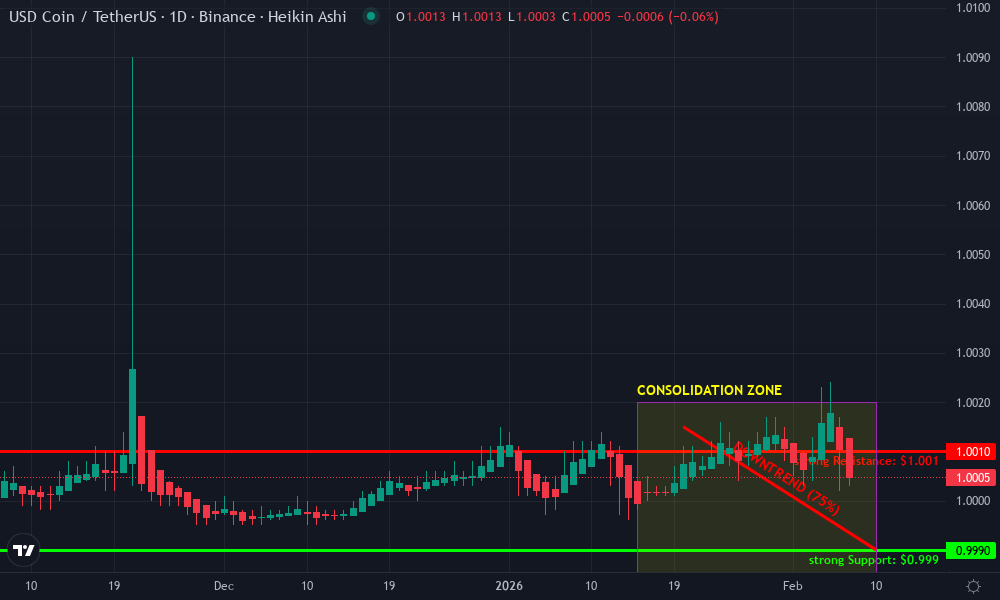
USD Coin Technical Analysis Chart
Analysis by Tristan Doyle | Symbol: BINANCE:USDCUSDT | Interval: 1D | Drawings: 5
Technical Analysis Summary
On this USDCUSDT chart spanning early 2026, draw horizontal lines at key peg levels: strong support at 0.999 and resistance at 1.001. Connect the minor downtrend from 2026-01-20 high to recent lows with a downtrend line. Mark consolidation rectangle from 2026-01-15 to present between 0.998-1.002. Add callouts for volume spikes indicating accumulation. Use fib retracement from recent swing low to high for potential bounce levels. Place long position marker near support with stop below 0.998. Author style: clean, precise lines emphasizing stability and micro-trends for hybrid fixed-income crypto plays.
Risk Assessment: medium
Analysis: Stablecoin inherent low vol, but micro-trends and DeFi news add uncertainty; suits medium tolerance
Tristan Doyle's Recommendation: Hold long positions with tight stops, bond excess USDC for yield via platforms like JoinBond
Key Support & Resistance Levels
📈 Support Levels:
- $0.999 - Strong peg support, multiple bounces visible strong
- $0.998 - Secondary support from Dec-Jan lows moderate
📉 Resistance Levels:
- $1.001 - Peg ceiling, rejected multiple times strong
- $1.002 - Recent highs, potential breakout level weak
Trading Zones (medium risk tolerance)
🎯 Entry Zones:
- $1 - Bounce from strong support in consolidation, aligned with stablecoin fundamentals medium risk
- $1.001 - Break above minor resistance for momentum continuation medium risk
🚪 Exit Zones:
- $1.002 - Profit target at range high 💰 profit target
- $0.997 - Stop loss below key support 🛡️ stop loss
Technical Indicators Analysis
📊 Volume Analysis:
Pattern: Increasing volume on downside candles, suggesting distribution pressure
Volume spikes coincide with small depegs, watch for reversal
📈 MACD Analysis:
Signal: Bearish crossover recent
MACD line below signal, histogram contracting—potential reversal
Applied TradingView Drawing Utilities
This chart analysis utilizes the following professional drawing tools:
Disclaimer: This technical analysis by Tristan Doyle is for educational purposes only and should not be considered as financial advice. Trading involves risk, and you should always do your own research before making investment decisions. Past performance does not guarantee future results. The analysis reflects the author's personal methodology and risk tolerance (medium).
From my vantage bridging bonds and blockchain, this feature democratizes yield distribution. No more begging for grants; profiles become yield-generating assets. Early adopters like AJ Taylor note USDC's bank-like intuition drives mass adoption, positioning JoinBond as a staple for hybrid finance.
Why Open Source Thrives on JoinBond[/h2>
Open-source projects often bootstrap on fumes, yet they underpin billion-dollar protocols. JoinBond tokenized bonds change that calculus. Bond to @openclaw, keep your principal, let them claim interest; repeat across profiles. Dutch Crypto Investors and others amplify this via competitions, but JoinBond's model sustains long-term.
Institutional interest mirrors Aave Labs' Horizon, borrowing stablecoins against RWAs. Yet JoinBond uniquely empowers individuals. With $100,000 bonds materializing overnight, expect OSS velocity to surge. This isn't hype; it's disruption meeting tradition, yielding real impact.
Projects like Clawdbot exemplify this shift. Built by developer Peter Steinberger, it gained traction rapidly through community bonds on JoinBond. Supporters earn yield while fueling code that could redefine automation in crypto spaces.
How to Bond USDC and Start Earning
Participating in this blockchain bonding platform is straightforward, designed for both crypto natives and newcomers eyeing tokenized yield bonds crypto. No complex setups or impermanent loss risks; just pure, principal-protected yield directed where it matters.
Earn Yield Effortlessly: Bond USDC to Open Source Projects on JoinBond
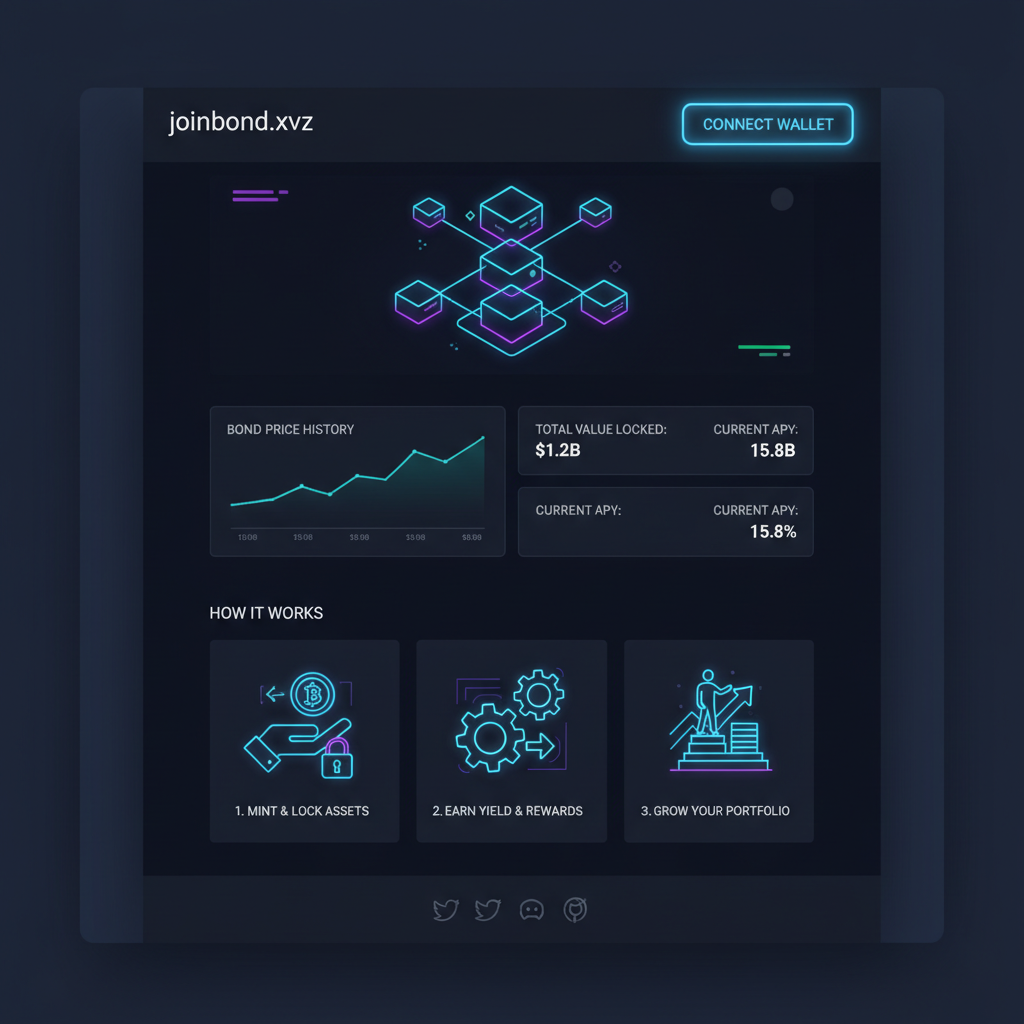


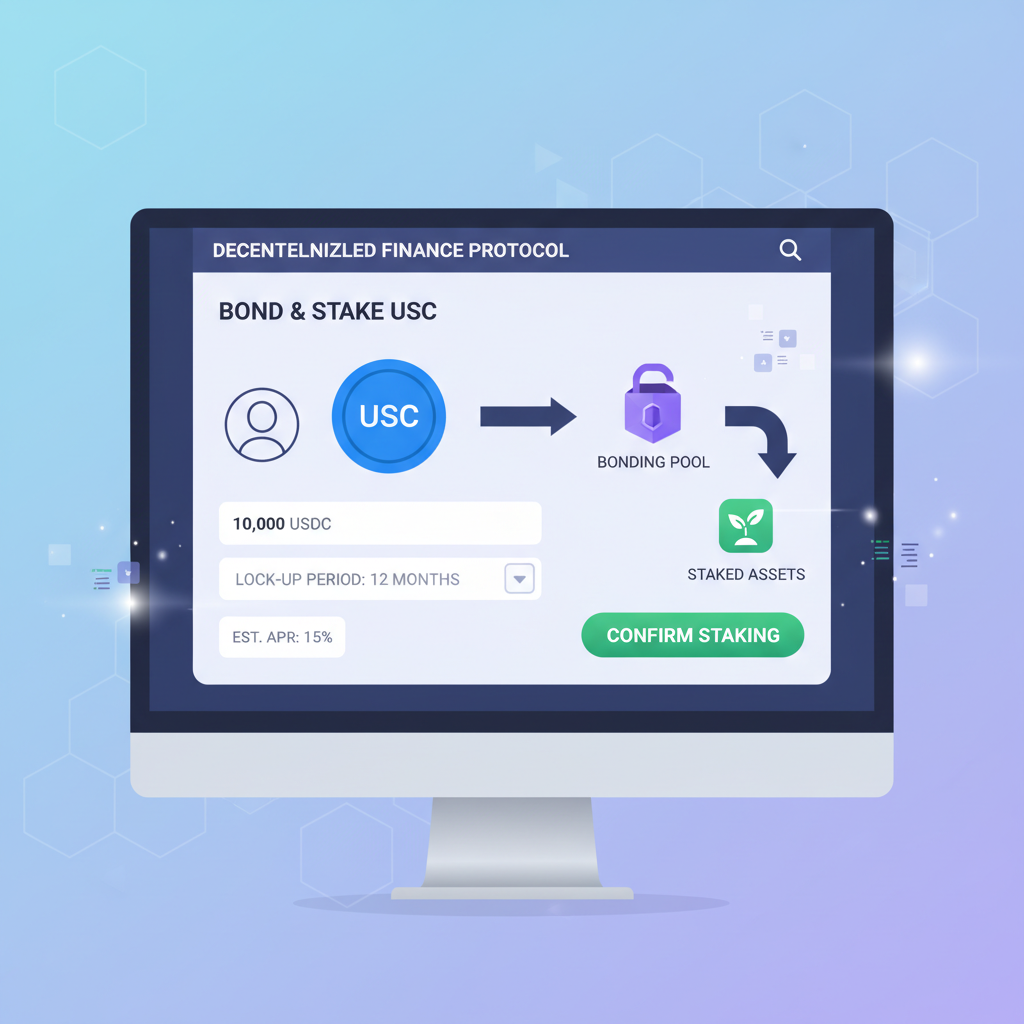
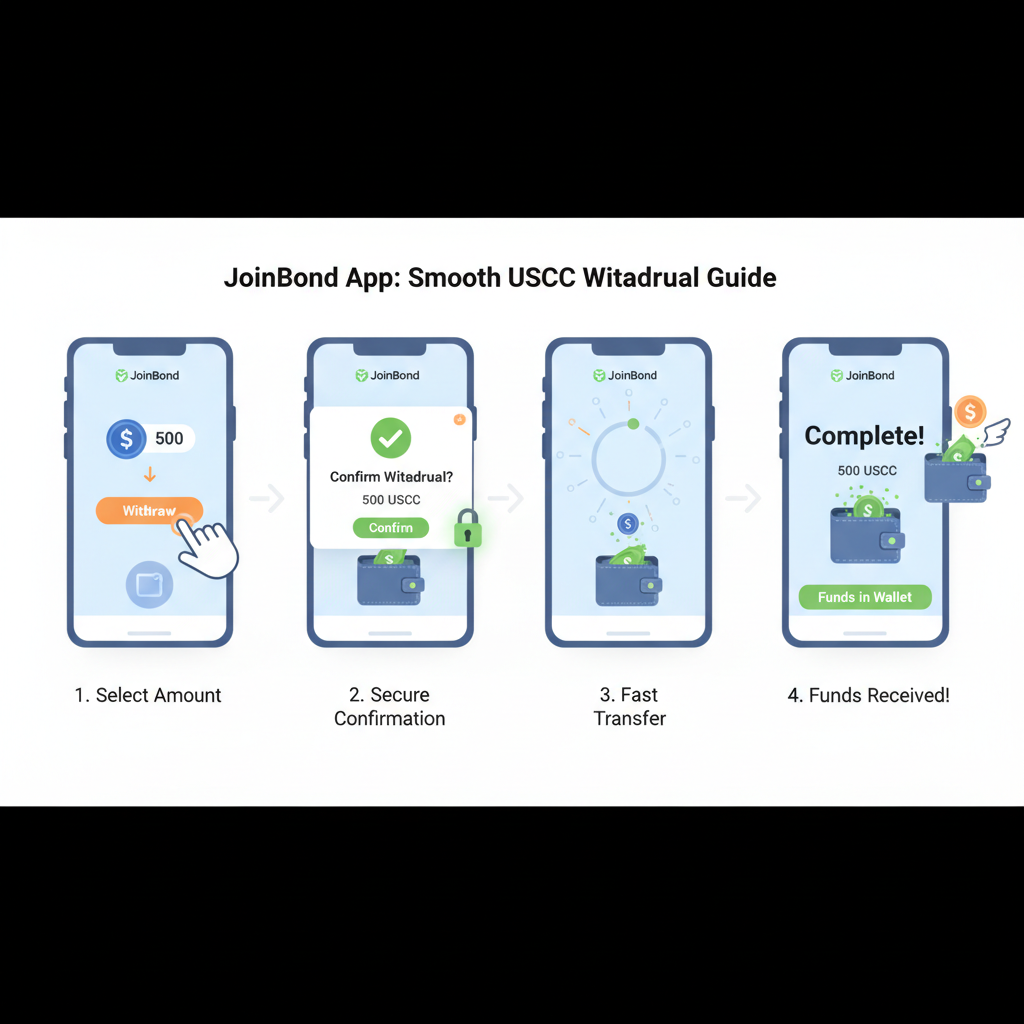
Once bonded, your USDC generates interest from DeFi pools or RWAs, claimable by the recipient. This mechanism ensures open-source maintainers receive sustainable funding, turning one-time donations into recurring revenue streams.
JoinBond Bond Benefits
- Principal Preservation: Bond your USDC and retain full access to your principal—no lockups or losses.

- Yield to OSS Creators: Interest earned flows directly to open-source projects like @openclaw, supporting innovation.
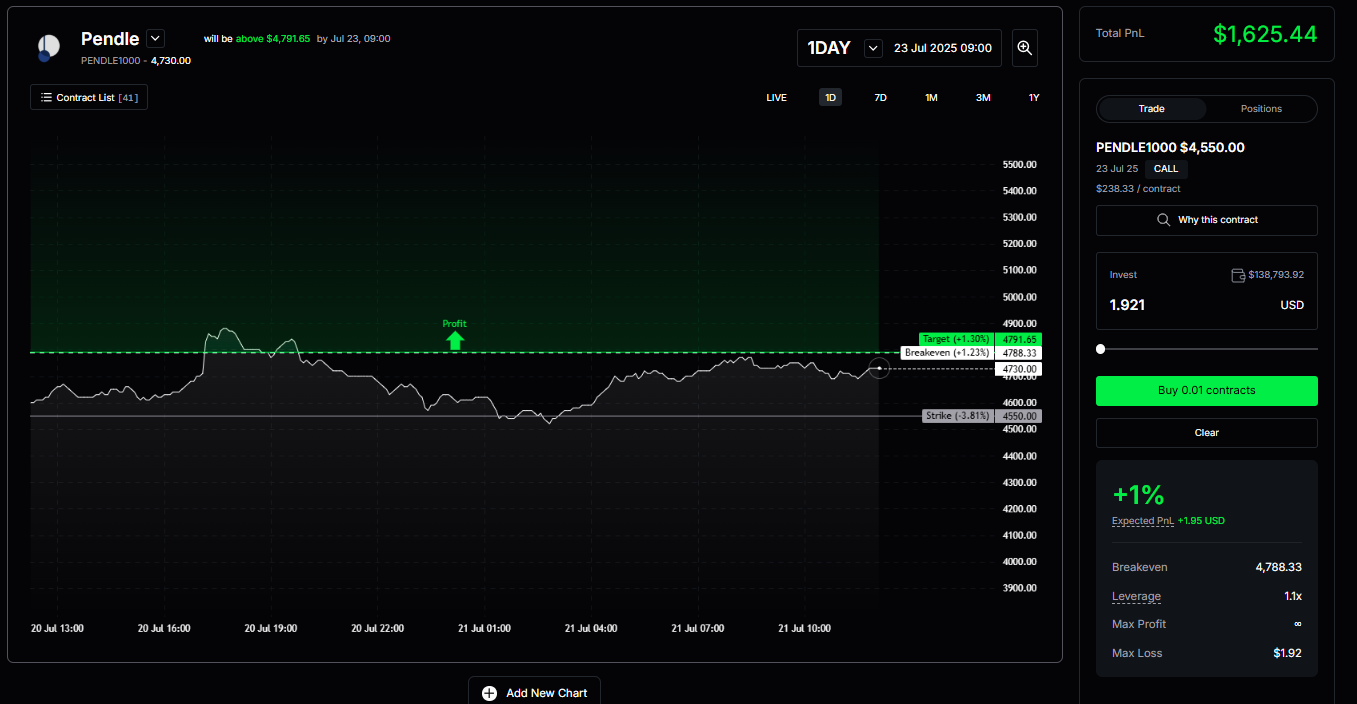
- Twitter Profile Bonds: Easily bond to creators' Twitter profiles for seamless OSS support, as launched by @joinbond.
- Stable USDC Backing: Fully backed by USDC (currently $0.0185), ensuring stability and trust.

- Liquidity Without Lockups: Enjoy yields while maintaining liquidity—claim principal anytime without penalties.

Ecosystem Momentum Builds
Momentum is palpable across Crypto Twitter. Accounts like @joinbond showcase bonds to @openclaw, where backers retain principal and projects harvest interest on demand. This viral loop amplifies adoption, contrasting fleeting airdrops or grant hunts.
Zoom out, and JoinBond slots perfectly into the RWA renaissance. While tokenized Treasuries from platforms like OpenEden offer baseline yields around traditional T-bills, JoinBond layers social utility atop stability. Multichain Bridged USDC (Fantom) holds at $0.0185, with a 24-hour gain of $0.002120 or 0.1293%, signaling resilience even in bridged variants. Institutions eyeing Aave's Horizon for RWA collateral will find JoinBond's model complementary, blending yield with purpose.
Critics might dismiss it as niche, but data disagrees. High-profile bonds, like the $100,000 infusion to OpenClaw, prove scalability. As Twitter profile bonds proliferate, expect protocols, DAOs, and indie devs to flock, creating a yield-backed OSS flywheel.
From my years structuring digital fixed income, this feels like the missing link. Traditional bonds fund governments; tokenized versions can fund the builders shaping tomorrow's finance. JoinBond doesn't just offer returns; it invests in the code that keeps blockchain humming. With stablecoins as intuitive as bank accounts, mass onboarding looms, propelling open-source from underdog to powerhouse.
Stake your claim in this hybrid future. Bond USDC today, support innovation tomorrow, and watch yields compound across the chain.




No comments yet. Be the first to share your thoughts!