
Token treasury management 2026
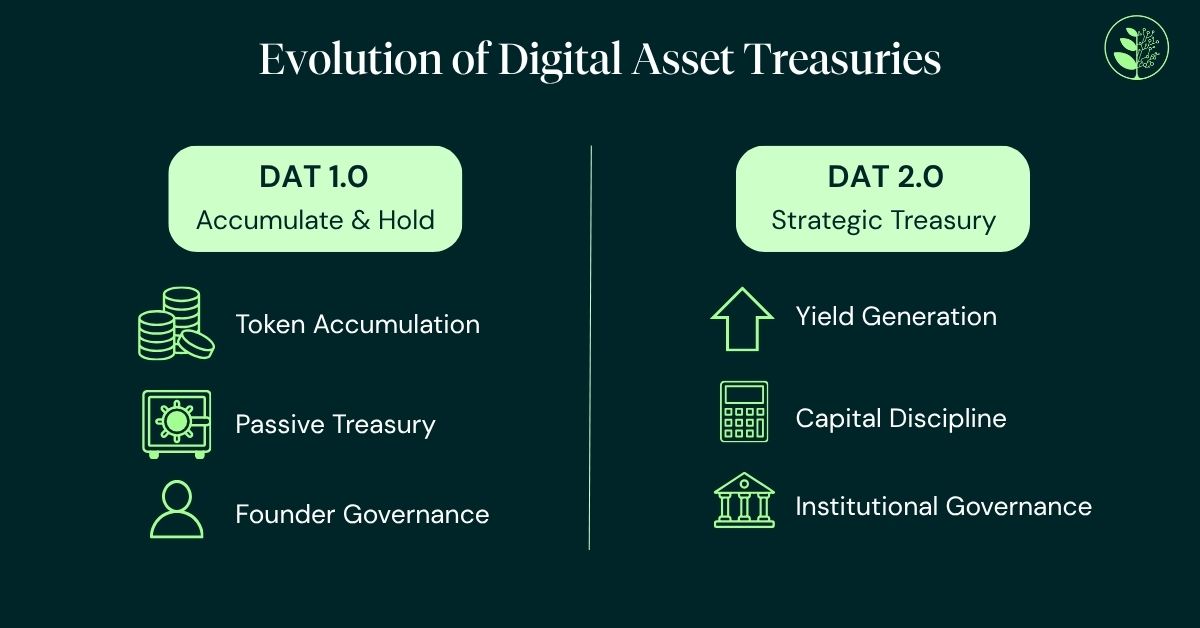
Token treasury management in 2026 has shifted from passive holding to active yield optimization. With the approval of spot Bitcoin and Ethereum ETFs, traditional finance institutions are increasingly integrating digital assets into their balance sheets. This integration requires a more sophisticated approach to managing token reserves, focusing on liquidity, security, and yield generation.
The core challenge is balancing the need for immediate liquidity with the desire for higher returns. Treasury teams must now deploy capital across multiple strategies, including staking, lending, and participating in decentralized finance (DeFi) protocols. This requires real-time monitoring of market conditions and protocol risks, which AI-driven tools are uniquely positioned to handle.
AI algorithms can analyze vast amounts of data to identify the most lucrative yield opportunities while simultaneously assessing risk. These tools can automatically rebalance portfolios, execute trades, and hedge against volatility, allowing treasury managers to focus on strategic decision-making rather than manual operations. The result is a more efficient and resilient treasury operation.
Also, the tokenization of real-world assets (RWA) is creating new opportunities for treasury diversification. By holding tokenized versions of traditional assets like bonds or real estate, treasuries can access new markets and improve capital efficiency. This trend is expected to accelerate in 2026, driven by regulatory clarity and institutional adoption.
Token treasury management 2026 choices that change the plan
As the market stabilizes post-ETF, token treasury strategies must balance yield generation with regulatory clarity and operational risk. The shift from speculative accumulation to structured cash management requires evaluating how different assets perform under varying liquidity conditions. Treasuries are no longer just about holding; they are about optimizing allocation across stablecoins, tokenized deposits, and yield-bearing tokens while maintaining compliance.
The following comparison outlines the primary tradeoffs between the most common treasury asset classes in 2026. Each option presents distinct risks and return profiles that treasury managers must weigh against their specific liquidity needs and risk tolerance.
| Asset Class | Yield Source | Primary Risk | Liquidity Profile |
|---|---|---|---|
| USDC / USDT | Treasury bills & lending | Regulatory / De-pegging | Instant (CEX/DEX) |
| Tokenized Deposits | Bank interest rates | Counterparty (Bank) | T+1 / T+2 |
| Staked ETH | Protocol fees & inflation | Smart contract / Slashing | Variable (Unbonding) |
| RWA Tokens | Corporate bonds / Loans | Legal / Credit default | Secondary market depth |
Stablecoins like USDC remain the bedrock for day-to-day operations due to their instant settlement and deep liquidity. However, their yield is now tightly coupled with traditional finance rates, meaning treasury managers must monitor Federal Reserve policy closely. The risk here is less about market volatility and more about regulatory scrutiny and reserve transparency.
Tokenized deposits offer a bridge to traditional banking, providing FDIC-insured yields (where applicable) and familiar accounting structures. The tradeoff is slower settlement times and counterparty risk tied to the issuing bank. This option suits conservative treasuries seeking to minimize crypto-native smart contract exposure while still accessing on-chain efficiency.
For yield-seeking treasuries, staked ETH and Real World Asset (RWA) tokens provide higher returns but introduce complexity. Staked ETH exposes the treasury to protocol risk and unbonding periods, while RWA tokens depend on the legal enforceability of underlying assets. These assets are best used for a portion of the treasury allocated to long-term growth rather than immediate operational needs.
The optimal strategy often involves a hybrid approach, blending stablecoins for liquidity, tokenized deposits for safety, and RWAs or staked assets for yield. Treasury managers must continuously rebalance this mix based on market conditions, regulatory updates, and internal cash flow requirements.
Build a step-by-step treasury framework
Token treasury management has moved beyond simple holding. In a post-ETF market, protocols must balance liquidity, yield, and regulatory exposure with precision. The following framework turns abstract research into a concrete decision model for 2026.
Start by mapping every token in your treasury. Categorize them as stablecoins, governance tokens, or liquidity positions. Identify which assets are exposed to regulatory risk or volatile yield mechanisms. This baseline audit prevents blind spots in your overall exposure.
Choose a platform that supports multi-chain reporting and automated compliance checks. Look for systems that integrate directly with your node infrastructure. Avoid generic spreadsheets; you need real-time visibility into token flows across different blockchains to react quickly to market shifts.
Deploy only surplus capital into yield strategies. Prioritize low-risk, protocol-native options over external DeFi farms. Use AI-driven tools to monitor yield sustainability and flag potential depegging events. Ensure your yield generation doesn’t compromise your primary liquidity needs.

Set automated triggers for rebalancing based on market metrics. For example, move funds from high-risk assets to stablecoins if volatility exceeds a set threshold. This reduces manual intervention and ensures your treasury remains aligned with your risk tolerance during market downturns.
Publish regular treasury reports to build community trust. Use on-chain proof of reserves and clear breakdowns of asset allocation. Transparency is no longer optional; it is a competitive advantage in a market where users demand accountability.
Watch out for weak treasury options
The 2026 crypto market offers genuine yield opportunities, but not all treasury strategies are built to last. Many proposals rely on misleading claims about risk-free returns or overstate the capabilities of AI-driven optimization. Before committing capital, you need to separate signal from noise.
Misleading "Guaranteed" Yields
Some platforms promise consistent, high double-digit returns with zero volatility. This is a red flag. In a post-ETF market, sustainable yield comes from real economic activity, not artificial incentives. If a strategy sounds too good to be true, it likely ignores smart contract risk or liquidity crunches. Always verify the underlying asset and the mechanism generating the yield.
Over-Reliance on AI Black Boxes
AI tools can optimize portfolio rebalancing, but they cannot predict black swan events. Treating an AI model as an oracle is dangerous. You must understand the logic behind its recommendations. If the system cannot explain why it is shifting assets, do not trust it with your treasury. Transparency in algorithmic decision-making is non-negotiable for long-term stability.
Ignoring Regulatory Shifts
The regulatory landscape is evolving rapidly. A strategy that is compliant today may be illegal tomorrow. Ensure your treasury management system adapts to new rules in real-time. Static compliance checks are insufficient. You need dynamic monitoring that aligns with current legal frameworks, particularly regarding stablecoin reserves and cross-border transfers.
What are the top 5 treasury management systems?
Leading systems include Treasurify, CoinFLEX, Ripple Treasury, GTreasury, and Fireblocks. Each offers unique features for tracking digital assets, managing liquidity, and ensuring compliance.
Did Ripple acquire GTreasury?
No, Ripple did not acquire GTreasury. They remain separate entities, though both provide treasury solutions for digital asset management.
What are the latest trends in treasury management?
Key trends include AI-driven yield optimization, real-time compliance monitoring, and the integration of stablecoins for faster settlement.
Does Ripple Treasury use XRP?
Ripple Treasury manages XRP as part of its operational capital, but it primarily focuses on facilitating cross-border payments using various digital assets.
No comments yet. Be the first to share your thoughts!