Why Fidelity’s Tokenized Treasury Fund Matters Right Now
Let’s set the stage: The Fidelity Treasury Digital Fund (FYOXX), now accessible via the ERC-20-based FDIT token, offers institutional players direct exposure to short-term U. S. Treasury bills and cash equivalents. The twist? Ownership and transfers are tracked transparently on Ethereum, enabling near-instant settlement and 24/7 trading - a world apart from legacy market hours.
This move comes as digital assets like Bitcoin and Ethereum have matured into investable asset classes, according to Fidelity’s own research team. But what makes FDIT stand out is its fusion of rock-solid traditional finance (U. S. Treasuries) with the agility and transparency of public blockchains.
Key features:
- Blockchain-native: FDIT is an ERC-20 token, fully transferable on Ethereum at any time
- Institutional-grade custody: Bank of New York Mellon acts as custodian
- Low fees: 0.20% annual management fee
- Regulatory compliance: Built within existing frameworks for peace of mind
If you’re tracking sector momentum, consider this: BlackRock and Franklin Templeton have also jumped into blockchain treasury funds recently. But Fidelity’s early traction - $200M and AUM in weeks - hints at pent-up demand among big money managers who want both yield and blockchain-native flexibility.
The Institutional Case for Tokenized U. S. Treasuries on Ethereum
The appeal isn’t just about being first or flashy tech; it’s about solving real pain points in fixed-income investing:
- Liquidity Unlocked: Traditional Treasuries can be slow-moving; FDIT tokens allow fractional ownership and near-instant secondary trading.
- No More Settlement Drags: Blockchain rails mean T and 0 settlement instead of waiting days for trades to clear.
- Surgical Transparency: Every transaction is visible on-chain, reducing counterparty risk and operational overhead.
This new model could be a game-changer for treasurers managing corporate cash or DeFi protocols looking for yield with minimal risk.
Fidelity FDIT vs Traditional Treasury ETFs: Key Metrics Comparison
| Metric | Fidelity Digital Interest Token (FDIT) | Traditional Treasury ETF (e.g., iShares SHV, SPDR BIL) |
|---|
| Yield (since launch) | Comparable to Treasury MMFs (varies with rates) | Varies with rates, typically similar to FDIT |
| Management Fee | 0.20% annually | 0.15% - 0.25% annually |
| Liquidity | 24/7 on-chain trading, near-instant settlement ⏱️ | Market hours trading, T+1 or T+2 settlement |
| Blockchain Integration | ERC-20 token on Ethereum, full on-chain transparency 🔗 | None |
| Transparency | On-chain transaction records, real-time tracking | Standard ETF reporting, less granular |
| Minimum Investment | Fractional shares via tokenization | Typically 1 share (varies by broker) |
| Custody | Bank of New York Mellon (off-chain), blockchain ledger (on-chain) | Traditional custodians |
| Regulatory Compliance | Registered under existing frameworks, KYC/AML enforced | Registered ETFs, standard compliance |
| Assets Under Management (AUM) | $200M+ (as of Sep 2025) | Varies (often $1B+) |
| Market Adoption | Early institutional adoption, limited holders | Broad institutional and retail adoption |
The Market Landscape: Where Does FDIT Stand?
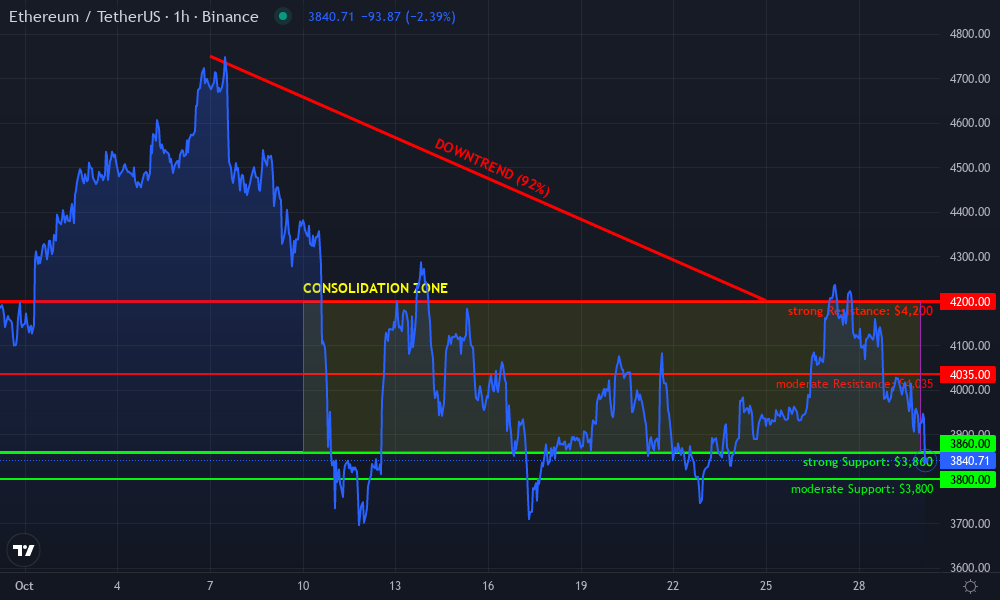
The numbers tell their own story. As of October 30,2025, Ethereum is trading at $3,884.75. The appetite for tokenized fixed income is undeniable - Fidelity’s fund alone has surpassed $200 million in AUM almost overnight. Analysts expect the market for tokenized U. S. Treasuries to hit $10 billion by year-end as more institutions get comfortable with on-chain assets.
| Fidelity Digital Interest Token (FDIT) | $1.00 | $1.00 | +0.0% |
| BlackRock USD Institutional Digital Liquidity Fund (BUIDL) | $0.001304 | $0.001304 | +0.0% |
| Franklin OnChain U.S. Government Money Fund (BENJI) | $0.009048 | $0.009048 | +0.0% |
| Ethereum (ETH) | $3,867.56 | $3,867.56 | +0.0% |
| USD Coin (USDC) | $0.0342 | $0.0342 | +0.0% |
| Tether (USDT) | $1.00 | $1.00 | +0.0% |
| Bitcoin (BTC) | $109,321.00 | $109,321.00 | +0.0% |
| Ondo Finance Tokenized Treasuries (ONDO) | $0.7167 | $0.7167 | +0.0% |
Analysis Summary
All tokenized U.S. Treasuries funds (FDIT, BUIDL, BENJI) and major stablecoins have maintained price stability over the past six months, reflecting their underlying assets. Major cryptocurrencies like Bitcoin and Ethereum also show no price change over the same period in the provided data.
Key Insights
- Tokenized treasury funds such as FDIT, BUIDL, and BENJI have demonstrated price stability, mirroring the behavior of their underlying U.S. Treasury assets.
- Stablecoins (USDC, USDT) have maintained their peg to the U.S. dollar, as expected.
- Major cryptocurrencies (BTC, ETH) show no price change in the provided data, indicating either a period of stability or a lack of price movement in the dataset.
- Institutional tokenized products are behaving as designed, offering low volatility and stable value for investors seeking blockchain-based exposure to traditional assets.
This comparison uses real-time market data as provided, with all prices and 6-month historical values sourced directly from the specified data feeds. No estimates or external data were used.
Data Sources:
- Main Asset: https://www.coingecko.com/en/coins/fidelity-digital-interest-token
- BlackRock USD Institutional Digital Liquidity Fund: https://www.coingecko.com/en/coins/blackrock-usd-institutional-digital-liquidity-fund
- Franklin OnChain U.S. Government Money Fund: https://www.coingecko.com/en/coins/franklin-onchain-us-government-money-fund
- Ethereum: https://www.coingecko.com/en/coins/ethereum
- USD Coin: https://www.coingecko.com/en/coins/usd-coin
- Tether: https://www.coingecko.com/en/coins/tether
- Bitcoin: https://www.coingecko.com/en/coins/bitcoin
- Ondo Finance Tokenized Treasuries: https://www.coingecko.com/en/coins/ondo-finance-tokenized-treasuries
Disclaimer: Cryptocurrency prices are highly volatile and subject to market fluctuations. The data presented is for informational purposes only and should not be considered as investment advice. Always do your own research before making investment decisions.
This rapid adoption isn’t just about hype; it reflects growing confidence following regulatory clarity around Ethereum (now classified as a utility token by the SEC), plus rising inflows into digital asset ETFs - $9.4 billion in new money just this year!
Ethereum (ETH) Price Prediction Table: 2026–2031
Projected ETH price scenarios based on current institutional adoption, technological trends, and regulatory context following Fidelity’s tokenized U.S. Treasuries fund launch.
| % Change (Avg YoY) | Market Scenario Insights |
|---|
| 2026 | $3,200 | $4,100 | $5,200 | +5.6% | Institutional adoption grows, but macro headwinds and regulatory caution keep prices rangebound. |
| 2027 | $3,450 | $4,600 | $6,100 | +12.2% | Tokenized asset growth accelerates; Ethereum Layer-2 scaling matures, improving network efficiency. |
| 2028 | $3,900 | $5,400 | $7,400 | +17.4% | Wider institutional and retail adoption; DeFi and RWAs (Real World Assets) on Ethereum expand. |
| 2029 | $4,200 | $6,200 | $8,600 | +14.8% | Bullish cycle driven by global tokenization trends and increased on-chain Treasury activity. |
| 2030 | $4,800 | $7,000 | $10,000 | +12.9% | Ethereum becomes a core settlement layer for financial products; competition from other L1s increases. |
| 2031 | $5,000 | $7,900 | $11,500 | +12.9% | ETH maintains leadership in tokenized securities; regulatory clarity globally fosters further growth. |
Price Prediction Summary
Ethereum’s price outlook through 2031 remains optimistic, supported by robust institutional adoption, especially following moves like Fidelity’s tokenized U.S. Treasuries fund. While periods of volatility and macroeconomic uncertainty are expected, the progressive integration of real-world assets and scaling improvements should drive steady growth in ETH’s value. The minimum and maximum ranges reflect both bullish and bearish scenarios, with average prices indicating a consistent upward trend as Ethereum cements its role in the tokenization of traditional finance.
Key Factors Affecting Ethereum Price
- Institutional adoption of tokenized assets (e.g., Treasury funds on Ethereum)
- Regulatory clarity in major jurisdictions (e.g., SEC utility token classification)
- Broader macroeconomic conditions impacting digital assets
- Technological upgrades (Layer-2 scaling, security enhancements, EIP rollouts)
- Competition from other layer-1 blockchains and tokenization platforms
- Growth in real-world asset (RWA) tokenization and DeFi adoption
- Network effects from increased on-chain financial product settlement
Disclaimer: Cryptocurrency price predictions are speculative and based on current market analysis.
Actual prices may vary significantly due to market volatility, regulatory changes, and other factors.
Always do your own research before making investment decisions.
If you’re curious about how these trends could reshape your portfolio strategy or treasury operations, check out our deep dive: How Fidelity’s Tokenized U. S. Treasuries Fund on Ethereum Is Reshaping Institutional Fixed-Income Investing.
What’s especially striking is how fractionalization and programmable ownership are flipping the script for institutional treasurers. In the old world, accessing high-quality U. S. Treasuries meant wrestling with minimums, intermediaries, and slow-moving settlement cycles. Now, with FDIT on Ethereum, you can move millions - or a few thousand - in minutes, with every transaction timestamped and auditable on-chain.
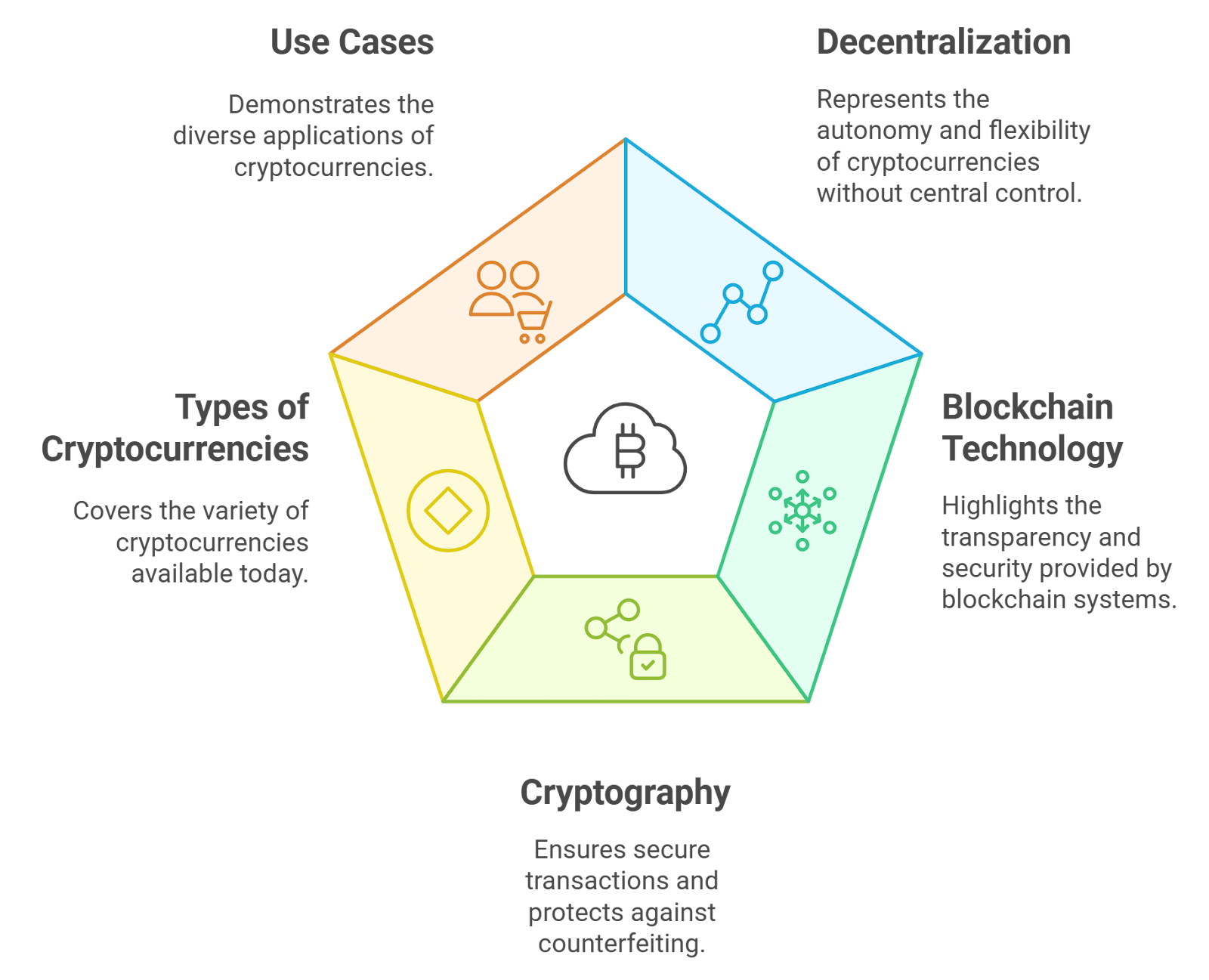
This is more than a technical upgrade; it’s a new playbook for cash management, risk mitigation, and capital efficiency. Imagine real-time portfolio rebalancing or using tokenized Treasuries as collateral in DeFi protocols - all without leaving the regulatory comfort zone of a major asset manager like Fidelity.
The Risks and Realities: What Institutional Investors Should Watch
No innovation comes without trade-offs. While blockchain rails promise speed and transparency, there are still hurdles:
- Smart contract risk: Even with institutional oversight, bugs or exploits could impact fund operations.
- Ethereum network congestion: During peak times, gas fees could spike or slow down transfers.
- KYC/AML compliance: On-chain assets must still adhere to strict investor onboarding and reporting rules.
The early data shows that most FDIT holders are large institutions or crypto-native funds - not retail investors. This concentrated adoption makes sense given current compliance requirements and the need for robust custody solutions. But as standards mature and interoperability improves across blockchains (think Layer 2 scaling), expect accessibility to broaden dramatically.
Looking Ahead: The Next Wave of On-Chain Fixed Income
If you’re an institutional allocator or treasury manager eyeing this space, the writing’s on the wall: tokenized fixed income is moving from proof-of-concept to production-grade infrastructure. Fidelity’s $200M and fund isn’t an outlier anymore; it’s a blueprint others will follow.
The next 12 months will likely bring:
- Larger secondary markets for tokenized Treasuries as more funds onboard
- Tighter integration with on-chain lending/collateral platforms
- Simplified compliance rails, unlocking broader participation from corporates and asset managers
The bottom line? The convergence of blockchain technology and U. S. Treasury markets is happening faster than most expected. For institutions seeking yield, liquidity, and transparency without sacrificing regulatory safety nets, products like FDIT may soon be table stakes rather than edge bets.
If you want to dive deeper into how this shift could impact your organization’s strategy - from portfolio allocation to operational workflows - don’t miss our comprehensive breakdown: Fidelity’s Tokenized U. S. Treasuries Fund on Ethereum: What Institutional Investors Need to Know.






No comments yet. Be the first to share your thoughts!