
Token treasury management in 2026
Token treasury management in 2026 integrates digital assets into unified, real-time financial systems. The industry has shifted from speculative hoarding to disciplined allocation, driven by regulatory clarity and operational efficiency needs. Treasurers now face traditional cash management precision requirements, compounded by blockchain complexity and 24/7 market dynamics.
Recent developments suggest tokenisation could unlock faster settlement and greater liquidity, transforming corporate cash flow management. However, this transformation relies on interoperability and robust verification standards. Without these foundations, real-time liquidity promises remain unrealized.
Organizations must adopt centralized approaches to consolidate financial activities—cash management, payments, and investments—into single systems. This consolidation mitigates risk and ensures compliance in an increasingly regulated environment. Success in 2026 depends on leveraging technology for real-time forecasting while adhering to strict regulatory frameworks.
Token treasury tradeoffs to evaluate in 2026
Building a token treasury requires balancing yield generation against regulatory exposure and operational complexity. The shift from passive holding to active, programmable liquidity management introduces variables traditional cash management did not possess. You must evaluate how each asset class interacts with compliance frameworks and market volatility.
The core decision involves choosing between stability and growth. Stablecoins offer predictable cash flow but face varying regulatory scrutiny. Governance tokens and liquid staking derivatives provide higher yields but introduce smart contract risk and potential depegging events. Your treasury policy must define acceptable risk thresholds for each bucket.
| Asset Class | Yield Potential | Primary Risk | Liquidity |
|---|---|---|---|
| Stablecoins | Low (2-5%) | Regulatory/Counterparty | High |
| LSTs | Medium (4-8%) | Smart Contract/Depeg | Medium |
| Governance Tokens | High (8-15%) | Volatility/Vesting | Low |
| Tokenized Bonds | Low-Medium (3-6%) | Credit/Interoperability | Medium |
Interoperability remains critical. Assets trapped on isolated chains lose value due to fragmented liquidity. Treasury systems must support cross-chain bridges or native multi-chain deployments to ensure efficient asset movement during market stress. The broader tokenisation opportunity relies heavily on this seamless movement of value.
Operational overhead differs significantly by asset type. Managing cold storage for governance tokens requires different security protocols than maintaining hot wallets for stablecoin settlements. AI-driven allocation tools can automate rebalancing, but they cannot replace human oversight for compliance checks. Ensure your treasury management system integrates with real-time on-chain analytics to monitor exposure accurately.
Turn research into a practical decision framework
Building a token treasury demands a structured approach to allocation, risk, and yield generation. The 2026 landscape favors treasuries that treat digital assets with the same discipline as traditional cash management, leveraging real-time data and automated workflows to maintain liquidity.
Follow this ordered sequence to build a resilient, AI-driven token treasury that balances growth with operational safety.
Start by clearly defining the purpose of your token holdings. Are you holding for operational payments, long-term value preservation, or active yield generation? A clear mandate dictates your risk tolerance and asset selection. Without this foundation, you risk over-exposure to volatile assets that do not support your core business needs.

Diversification remains the primary defense against market volatility. Allocate assets across stablecoins for liquidity, blue-chip cryptocurrencies like Bitcoin and Ethereum for store of value, and select yield-bearing protocols for income. Avoid concentrating more than 20% of your treasury in any single volatile asset unless explicitly justified by your mandate.
Use AI tools to monitor market conditions, regulatory changes, and on-chain activity in real-time. These tools can flag anomalies, predict liquidity crunches, and suggest rebalancing actions. Automation reduces human error and allows you to react to market shifts faster than manual tracking ever could.
Security is non-negotiable. Use multi-signature wallets, hardware security modules, and time-locked transactions for large movements. Regularly audit your smart contract interactions and limit access to only essential personnel. A breach can wipe out years of yield gains, so treat security as an ongoing operational cost, not a one-time setup.
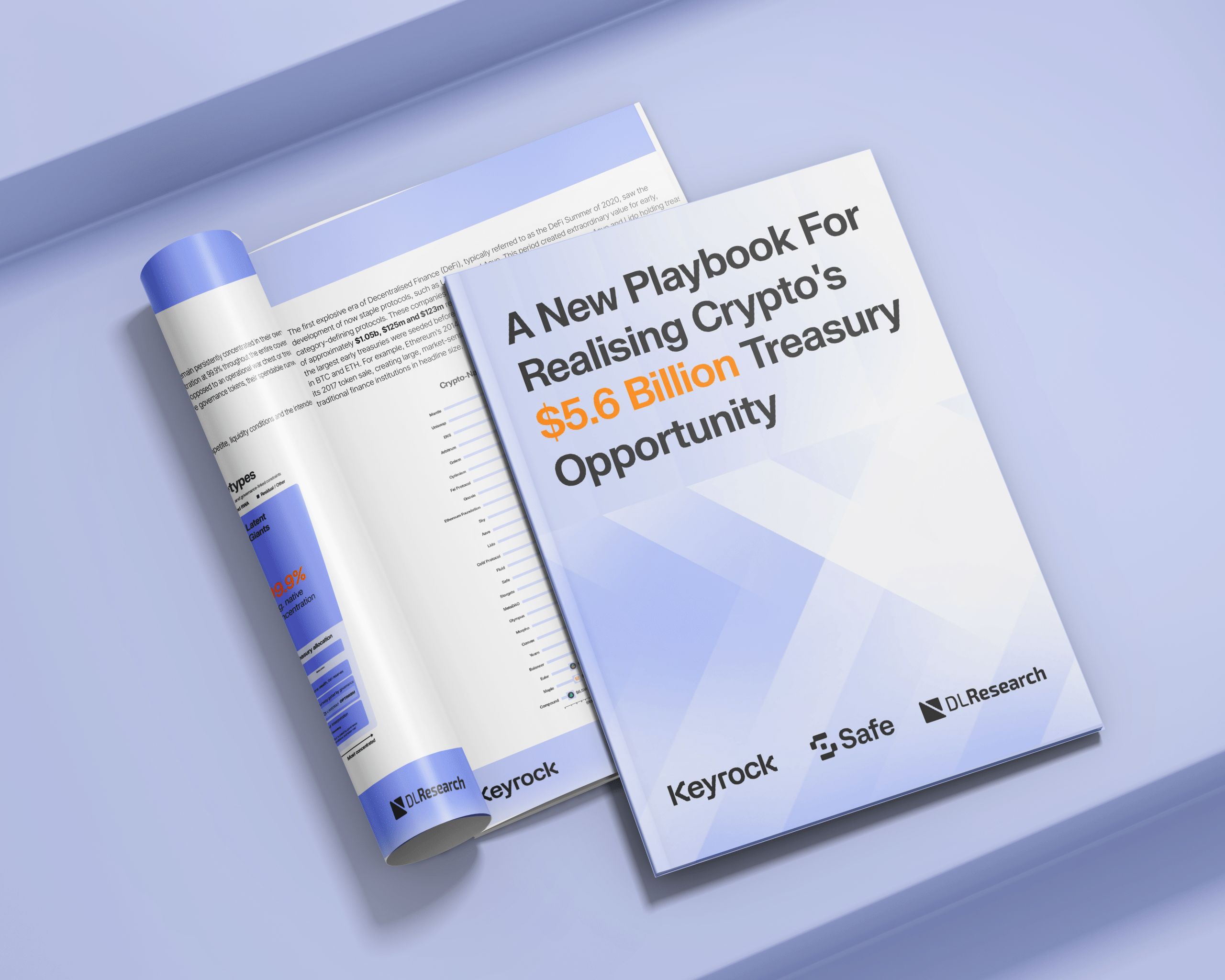
Once the foundation is secure, optimize yield through staking, lending, or liquidity provision. Compare APYs across reputable platforms, but prioritize protocol security and transparency over highest returns. Reinvest yields strategically to compound growth, but always keep a sufficient cash reserve for operational needs and market downturns.
By following these steps, you create a treasury that is not just a passive holding, but an active, managed asset class. This framework allows you to manage the complexities of crypto markets with confidence, ensuring your organization remains competitive and financially resilient in 2026 and beyond.
Spotting Weak Options and Misleading Claims
Treasury professionals face a flood of promises about tokenization and AI-driven allocation. The industry points to a $30 trillion tokenization opportunity, but not every feature delivers immediate value (treasurers.org). Before committing capital or infrastructure, you must separate genuine operational improvements from marketing noise.
The AI Yield Mirage
Many platforms claim AI can "optimize" yield by automatically shifting assets across DeFi protocols. This is often a weak option because it ignores smart contract risk and liquidity crunches. AI models are only as good as their training data; in crypto, history repeats faster than in traditional finance. Do not trust black-box algorithms that promise consistent returns without transparent risk parameters.
Regulatory Ambiguity as a Feature
Some vendors treat regulatory uncertainty as a feature rather than a bug. They suggest that operating in gray areas offers higher yields. This is a common mistake. As regulatory clarity improves, assets in non-compliant jurisdictions face de-risking by banks and exchanges. Always prioritize platforms that adhere to official standards, such as those discussed at the Cash Management 2026 conference (treasurers.org).
Interoperability Overpromises
Claims of "seamless interoperability" between legacy banking systems and blockchain networks are often exaggerated. True integration requires robust Verification of Payee (VoP) capabilities and real-time API connections (treasury-management.com). If a solution cannot demonstrate live, audited connections to major banking partners, it is likely a weak option that will fail under scale.
Proof Checks for Treasury Managers
To avoid these pitfalls, apply these concrete checks:
- Audit the Risk Engine: Demand full visibility into how AI models assess counterparty risk. If the logic is proprietary and opaque, walk away.
- Verify Banking Ties: Check if the platform has live integrations with major banks like HSBC or ION Treasury. Look for recent press releases confirming these partnerships.
- Stress-Test Liquidity: Ask for historical data on how the treasury handled market crashes. Did it maintain liquidity, or did it freeze?
Sustainable yield comes from disciplined management, not clever algorithms. Focus on transparency, regulatory compliance, and real banking integration.
Token treasury management 2026: what to check next
Treasury teams are shifting from reactive cash management to proactive, programmable liquidity. As tokenisation reaches a $30tn opportunity, the focus is on regulatory clarity and interoperability rather than speculation. Here are the practical answers to the most common questions about managing digital assets in 2026.
The shift to onchain treasuries is not just about technology; it is about operational discipline. Teams that succeed in 2026 will treat digital assets as core balance sheet items, not speculative side bets.
No comments yet. Be the first to share your thoughts!