
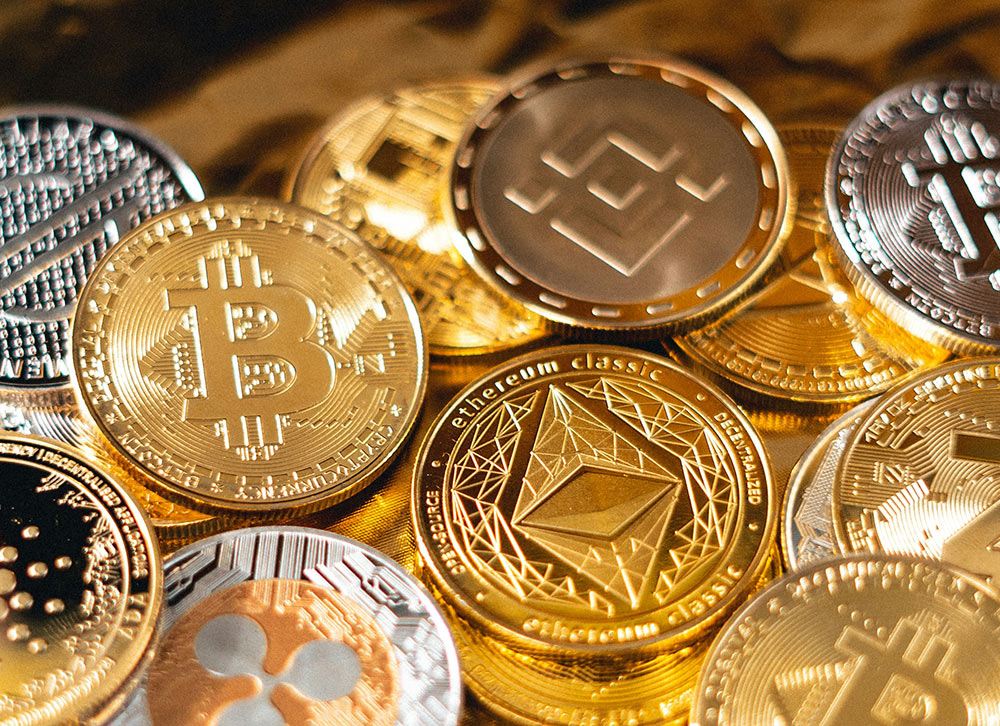
What is token treasury management?
Token treasury management is the systematic oversight of an organization’s digital asset holdings, distinguishing it from traditional corporate treasury by the inclusion of on-chain yield generation and smart contract risk. While traditional treasury focuses on cash, equities, and fixed-income instruments to preserve capital and fund operations, token treasury must address the unique volatility of crypto assets while leveraging their programmable nature to generate native yield.
In 2026, this discipline has shifted from speculative asset holding to a structured financial function. Organizations no longer simply store tokens in cold wallets; they actively deploy capital into decentralized finance (DeFi) protocols, liquid staking derivatives, and institutional-grade custodial services to offset inflation and fund operational burn rates. This requires a dual focus: maximizing yield through on-chain strategies while maintaining strict compliance with evolving regulatory frameworks.
The core challenge lies in balancing these competing priorities. Traditional treasury managers rely on established risk models and regulatory clarity. Token treasury managers, however, must assess smart contract risk, protocol insolvency, and regulatory ambiguity alongside market volatility. A failure in either domain can lead to significant financial loss or legal exposure. Therefore, effective token treasury management requires specialized tools, robust governance structures, and a clear understanding of the intersection between blockchain technology and financial regulation.
The rise of dedicated treasury policies reflects this maturation. Organizations are moving away from ad-hoc asset management toward formalized frameworks that define risk tolerance, yield targets, and compliance protocols. This shift is driven by the need to protect shareholder value and ensure long-term sustainability in a highly volatile market.
Technical Chart: Institutional Crypto Trends
2026 yield strategies and risk choices that change the plan
Institutional treasuries in 2026 are moving beyond simple staking to implement layered yield strategies that balance liquidity needs with risk exposure. The primary constraint is no longer just access to capital, but the ability to maintain sufficient liquidity for operational expenditures while capturing yield that outpaces inflation.
Liquid Staking Derivatives (LSDs)
Liquid staking remains a cornerstone of institutional token treasuries, particularly for Ethereum-based holdings. By converting staked ETH into liquid tokens (such as stETH or rETH), organizations can earn base staking yields (typically 3-4% annually) while retaining the ability to use these assets as collateral in lending markets or for day-to-day liquidity management. However, this strategy introduces smart contract risk and de-pegging risk. Institutions must carefully evaluate the audit history of the staking provider and maintain diversified exposure across multiple LSD protocols to mitigate single-point failures.
Institutional DeFi Lending
For stablecoin holdings, institutional-grade DeFi lending platforms offer yields that often exceed traditional money market funds. In 2026, compliance-focused lending protocols have implemented rigorous KYC/AML checks, allowing regulated entities to deploy capital with greater legal certainty. The tradeoff here is counterparty risk; unlike bank deposits, DeFi lending lacks insurance or government backing. Treasuries must size positions relative to their risk appetite and maintain emergency liquidity buffers in non-yielding stablecoins to cover unexpected outflows.
Tokenized Real-World Assets (RWAs)
A growing segment of institutional treasuries is allocating to tokenized real-world assets, such as U.S. Treasury bills and commercial paper. These assets offer predictable, low-volatility yields backed by traditional financial instruments, bridging the gap between crypto efficiency and traditional asset stability. This strategy is particularly attractive for risk-averse organizations seeking to preserve capital while maintaining on-chain settlement speeds. The primary consideration is regulatory clarity; institutions must ensure that the tokenization issuer maintains proper legal structures to protect investor rights in the event of issuer default.
Navigating regulatory compliance
Compliance in token treasury management is not a static checklist but a dynamic process requiring continuous monitoring of regulatory developments. In 2026, key regulatory frameworks such as the EU’s MiCA (Markets in Crypto-Assets) and evolving U.S. guidance from the SEC and CFTC have imposed stricter reporting and custody requirements.
Custody Solutions
Institutional treasuries must utilize qualified custodians that meet regulatory standards for asset protection. Multi-signature wallets and MPC (Multi-Party Computation) solutions are now standard, providing enhanced security against theft and unauthorized access. Treasuries should prioritize custodians that offer insurance coverage for digital assets and maintain transparent audit trails.
Tax and Reporting Obligations
Accurate tracking of token movements and yield generation is critical for tax compliance. Institutions must implement robust accounting systems that can handle the complexities of on-chain transactions, including staking rewards, liquidity provision fees, and token swaps. Failure to accurately report these activities can result in significant penalties and reputational damage.
Liquidity and yield choices that change the plan
Token Treasury Management works best as a clear sequence: define the constraint, compare the realistic options, test the tradeoff, and choose the path with the fewest hidden costs. That order keeps the advice usable instead of decorative.
After each step, pause long enough to check whether the recommendation still fits the reader's actual situation. If it depends on perfect timing, unusual access, or a best-case budget, include a simpler fallback.
The simplest way to use this section is to write down the real constraint first, compare each option against it, and choose the path that still works outside ideal conditions.
No comments yet. Be the first to share your thoughts!