
The 2026 regulatory landscape for digital assets
The regulatory environment for digital assets in 2026 has shifted from experimental frameworks to strict institutional enforcement. Treasury management is no longer a back-office function for speculative holdings; it is a compliance-critical operation governed by formalized custody standards and anti-money laundering directives. The market has moved past the phase of unregulated trading, establishing a baseline where institutional participation requires auditable, transparent, and legally compliant structures.
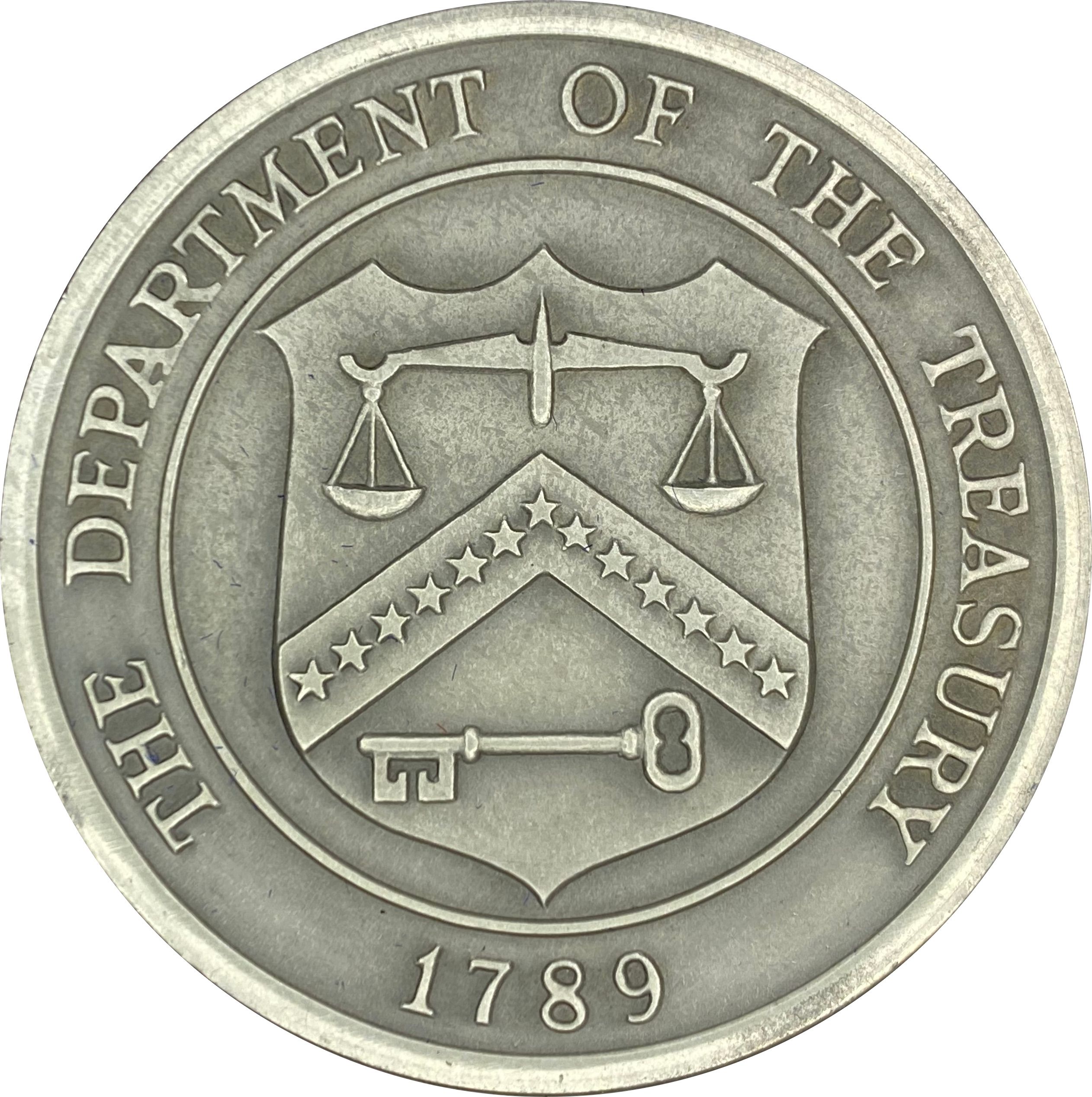
At the core of this shift is the U.S. Treasury’s March 2026 Congressional Report on the GENIUS Act, which outlines specific steps for financial institutions to combat illicit finance while supporting innovative tools. This report signals that regulators are not blocking technology but are demanding that it operate within a rigid compliance perimeter. Institutions must now integrate these regulatory requirements directly into their treasury architectures, ensuring that every token movement is traceable and compliant with evolving federal standards.
Simultaneously, the tokenization of real-world assets is accelerating, with industry leaders like EuroFinance highlighting a $30 trillion opportunity in cash management tokenization. This scale of capital migration necessitates a treasury infrastructure that can handle high-volume, low-latency transactions while maintaining strict regulatory adherence. The convergence of tokenization efficiency and regulatory compliance defines the 2026 treasury landscape.
The technical reality of this landscape is visible in market volatility and trading patterns. Treasury managers must monitor these dynamics not just for profit, but to ensure that liquidity strategies remain viable under regulatory scrutiny. The ability to navigate these waters depends on understanding both the legal mandates and the technical infrastructure that supports them.
Custody and Liquidity Models
Selecting a custody architecture requires balancing security, regulatory compliance, and operational liquidity. The choice between self-custody, multi-signature setups, and institutional prime brokerage dictates how an organization manages counterparty risk and meets evolving legal standards.
Self-Custody
Self-custody places the private keys directly in the control of the organization. This model offers maximum autonomy and eliminates counterparty risk associated with third-party service providers. However, it demands rigorous internal security protocols, including hardware security module (HSM) management and strict key-sharing policies. Regulatory scrutiny is high, as the entity retains full liability for any breaches or losses. This model suits organizations with mature security teams and high risk tolerance.
Multi-Signature Wallets
Multi-signature (multi-sig) wallets require multiple private keys to authorize transactions, distributing control across several individuals or systems. This approach mitigates the risk of single points of failure, such as insider threats or compromised individual keys. While more secure than single-key self-custody, it introduces operational complexity in key management and transaction coordination. Compliance frameworks must clearly define the authorization hierarchy and audit trails for all signers.
Institutional Prime Brokerage
Institutional prime brokerage models outsource custody to regulated financial institutions. These providers offer robust insurance coverage, dedicated compliance teams, and seamless integration with traditional banking systems. The trade-off is reduced autonomy and ongoing service fees. Regulatory adherence is largely managed by the prime broker, but the organization must ensure the provider meets specific jurisdictional requirements. This model is ideal for entities prioritizing regulatory simplicity and liquidity access over direct control.
Comparison of Models
The following table summarizes the key trade-offs across security, cost, and regulatory dimensions.
| Model | Security Level | Cost Structure | Regulatory Burden | Operational Complexity |
|---|---|---|---|---|
| Self-Custody | High (Internal Control) | Low (Infrastructure Only) | High (Full Liability) | High |
| Multi-Sig | Medium-High (Distributed) | Medium | Medium (Shared Liability) | Medium |
| Prime Brokerage | High (Insured/Outsourced) | High (Service Fees) | Low (Provider Managed) | Low |
Navigating stablecoin and regulatory strategies
Treasury management in 2026 requires treating stablecoins not as speculative assets, but as regulated payment rails. The passage of the GENIUS Act establishes a federal framework that mandates strict reserve requirements and regular attestations. For corporate treasurers, this means liquidity can no longer be assumed; it must be verified. Holding tokens without audited proof of reserves introduces unacceptable balance sheet risk.
Compliance is the primary filter for liquidity strategies. The GENIUS Act’s congressional report outlines specific steps for financial institutions to combat illicit finance while supporting innovation. Treasuries must align their token holdings with these federal standards to ensure capital remains liquid and legally defensible. This shifts the focus from yield generation to operational resilience and regulatory adherence.

The distinction between compliant and non-compliant tokens is now a matter of legal survival. Treasuries should prioritize tokens issued by entities subject to U.S. banking regulations or equivalent international oversight. This ensures that liquidity events are not halted by sudden regulatory enforcement actions. The cost of compliance is lower than the cost of frozen assets.
| Feature | Compliant Stablecoin | Non-Compliant Token |
|---|---|---|
| Reserve Verification | Monthly third-party attestations | Self-reported or opaque |
| Regulatory Status | Federal or state licensed | Unregulated or gray area |
| Liquidity Risk | Low (backed by cash/T-bills) | High (depegging risk) |
Treasury officers must audit their token portfolios against these criteria. The goal is to maintain a liquidity buffer that is both accessible and legally secure. This approach protects the organization from the volatility inherent in unbacked digital assets while leveraging the efficiency of blockchain settlements.
Market Trends and Asset Performance
Token treasury valuations are increasingly decoupled from simple holding strategies, driven by the rapid expansion of the crypto asset management sector. The global market is projected to grow from an estimated $2.20 billion in 2026 to $9.67 billion by 2033, reflecting a compound annual growth rate of 24.0%. This expansion forces treasuries to treat digital assets not merely as speculative inventory, but as active capital requiring rigorous liquidity management and compliance oversight.
Volatility remains the primary constraint on treasury efficiency. Major assets like Bitcoin continue to exhibit significant price swings, necessitating dynamic rebalancing protocols to maintain target allocation ratios. The following chart illustrates recent price action, highlighting the volatility bands that treasury managers must navigate to preserve capital integrity.
Current market conditions favor diversified liquidity pools over concentrated single-asset exposure. As seen in the Fireblocks Digital Asset Treasury Playbook, top-performing treasuries are optimizing for stability by balancing high-beta assets with stablecoin reserves. This approach mitigates downside risk while capturing upside potential during market cycles.

Regulatory clarity is also influencing asset performance. Institutions are increasingly favoring assets with clear legal frameworks, driving liquidity toward compliant tokens. This shift creates a two-tier market where regulatory-safe assets command higher liquidity premiums. Treasury managers must monitor these trends closely, as compliance costs directly impact net returns. The integration of AI-driven risk analytics is becoming standard, allowing treasuries to predict liquidity needs and adjust positions before market shocks occur.
Step-by-step compliance checklist for treasurers
Treasury management in 2026 requires a shift from passive holding to active, auditable governance. CFOs must treat crypto assets with the same rigor as traditional FX or cash balances, focusing on custody verification, regulatory alignment, and real-time liquidity tracking.
Verify that all custodial providers hold relevant licenses (e.g., NYDFS BitLicense, MSB registration). Ensure multi-signature controls are enforced and that private key shares are distributed across geographically diverse, secure locations. Confirm that the provider’s insurance coverage matches the current market value of holdings.
Ensure all counterparties and on-ramp/off-ramp partners meet current FATF Travel Rule standards. Implement automated transaction monitoring to flag suspicious activity before it reaches the blockchain. Regularly update internal know-your-customer (KYC) data for any institutional partners involved in treasury operations.

Align treasury operations with current IRS guidance (e.g., Notice 2014-21) and emerging international standards like the EU’s MiCA framework. Document the cost basis for all digital assets to simplify year-end reporting. Consult with tax counsel to determine the optimal entity structure for holding digital assets to mitigate regulatory risk.
Model worst-case scenarios for market volatility and exchange insolvency. Ensure that a portion of the treasury is held in stablecoins or cash equivalents that are fully backed and auditable. Use provider-backed widgets to monitor real-time liquidity across major exchanges and DeFi protocols.
Establish a digital audit trail for all treasury transactions. Implement blockchain analytics tools to track asset movement and ownership. Ensure that financial statements clearly disclose digital asset holdings, valuation methods, and associated risks in compliance with upcoming SEC and international reporting requirements.
This checklist provides a baseline for compliance. Regular audits and continuous monitoring are essential to maintain integrity in a rapidly evolving regulatory landscape.
Frequently asked questions on treasury compliance
Treasury teams navigating the intersection of digital assets and regulatory frameworks face distinct uncertainties. The following queries address specific market projections, industry authority, and operational shifts relevant to 2026 compliance strategies.
These projections and trends highlight the urgency of integrating AI-driven risk models and centralized data architectures. As tokenization opportunities expand, as noted by The Institute of Treasury Professionals, the ability to reduce costs and increase transaction speed becomes a compliance imperative rather than just an efficiency gain.
No comments yet. Be the first to share your thoughts!