
Why token treasury management changed in 2026
The era of treating cryptocurrency holdings as static, long-term store-of-value assets is ending. In 2026, the volatility that once defined crypto treasuries has become an unacceptable liability for organizations requiring predictable cash flow and operational stability. DAOs and crypto-native enterprises can no longer afford to let their balance sheets swing by double digits based on market sentiment.
Traditional crypto-heavy treasuries are no longer viable because they expose organizations to existential liquidity risks. When revenue comes in stablecoins but expenses are paid in volatile tokens, or when treasury reserves are locked in illiquid governance tokens, a market downturn can cripple operations before a recovery is possible. The shift toward stability is not just a preference; it is a structural necessity for survival.
The new standard for 2026 involves hedging this volatility with real-world assets (RWAs). By integrating tokenized treasuries with traditional financial instruments, organizations can maintain exposure to crypto upside while anchoring their core liquidity in stable, yield-bearing assets. This hybrid approach transforms the treasury from a speculative position into a resilient financial engine.
As noted by industry experts, the focus is shifting from mere asset accumulation to sophisticated risk management. Streamlining operations with expert insights on security and liquidity management has become as critical as upgrading the underlying blockchain infrastructure. The organizations that thrive in 2026 will be those that treat their token treasury with the same rigor as a traditional corporate balance sheet.
Stablecoins as the new cash equivalent
For many decentralized autonomous organizations (DAOs) and digital-native enterprises, stablecoins have replaced traditional fiat equivalents as the primary store of value for operational liquidity. This shift is not merely a technological preference but a structural response to the inefficiencies of legacy banking rails. As noted in recent analyses from Alphapoint, institutions are increasingly treating stablecoins as a distinct asset class for treasury management, leveraging their programmability to optimize cash flow and reduce settlement friction.
The adoption curve is accelerating as corporate treasuries recognize the dual benefits of speed and transparency. EuroFinance, a leading provider of cash management research, highlights that tokenization is poised to unlock a $30 trillion opportunity by 2026, driven largely by the demand for real-time liquidity. Stablecoins offer a bridge between the volatility of crypto assets and the stability required for payroll, vendor payments, and reserve holdings. Unlike traditional bank transfers, which can take days to clear across borders, stablecoin transactions settle in minutes, 24/7.
However, this transition requires rigorous risk management. Treasurers must distinguish between algorithmic stablecoins and those backed by high-quality liquid assets (HQLA) such as U.S. Treasury bills. The latter category has seen the most institutional uptake, as it provides a yield-bearing alternative to zero-interest checking accounts while maintaining a peg to the dollar. This "cash-like" utility allows DAOs to deploy capital more efficiently, turning idle treasury balances into productive assets without exposing the organization to significant exchange rate risk.
Tokenized real-world assets for treasury diversification
Corporate treasuries are increasingly moving beyond native crypto holdings to include tokenized real-world assets (RWA). This shift targets non-correlated yield and reduced on-chain risk by bridging traditional fixed-income markets with blockchain efficiency. According to EuroFinance, the tokenization of cash management assets represents a $30 trillion opportunity, driven by the need to reduce transfer costs and boost operational agility [[src-serp-2]].
By holding tokenized U.S. Treasury bills and bonds, organizations can access stable yields without sacrificing the liquidity benefits of digital settlement. This approach diversifies the treasury portfolio, mitigating the volatility inherent in pure crypto holdings while maintaining compliance with evolving regulatory frameworks, such as those outlined in the U.S. Treasury's 2026 illicit finance innovation report [[src-serp-8]].
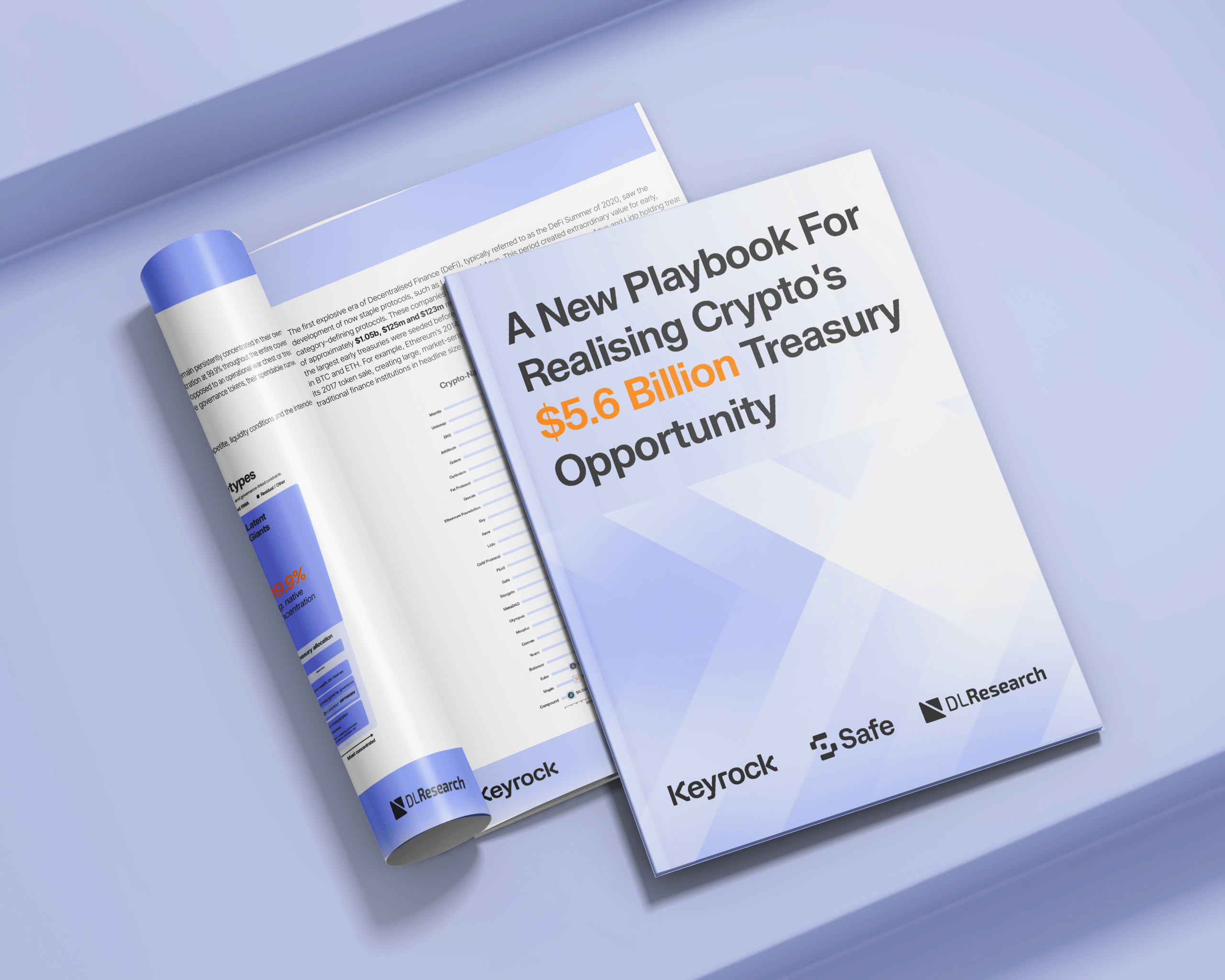
The following comparison highlights the trade-offs between holding native crypto assets and tokenized RWAs. Tokenized RWAs offer lower volatility and regulatory clarity, whereas native crypto provides higher potential upside with significantly greater risk.
| Asset Class | Yield Source | Risk Profile | Liquidity |
|---|---|---|---|
| Tokenized U.S. Treasuries | Fixed (4-5%) | Low | High |
| Tokenized Corporate Bonds | Variable (5-7%) | Medium | Medium |
| Bitcoin (BTC) | Capital Appreciation | High | High |
| Ethereum (ETH) | Staking Rewards + Appreciation | High | High |
Market context for tokenized assets
The adoption of tokenized RWA is not merely a trend but a structural evolution in treasury management. As financial institutions integrate these assets, the line between traditional finance and digital assets continues to blur. The U.S. Treasury's emphasis on innovative tools to combat illicit finance underscores the importance of transparent, on-chain verification for these assets [[src-serp-8]].
Operational Security for Multi-Sig Treasuries
Managing a token treasury in 2026 requires institutional-grade security protocols. The margin for error is nonexistent; a single compromised private key can result in irreversible losses. Operational security (OpSec) must shift from reactive measures to a proactive, layered defense architecture.
The foundation of this security is the multi-signature (multi-sig) wallet. By requiring multiple independent keys to authorize transactions, treasuries eliminate single points of failure. This structure ensures that no single individual can unilaterally move funds, distributing authority across a defined group of signers.

Establish clear roles for each signer, such as operational, administrative, and emergency keys. Set a threshold that balances security with agility; for example, 3-of-5 or 5-of-9 configurations are standard for large treasuries. This ensures that day-to-day operations remain efficient while major movements require consensus.
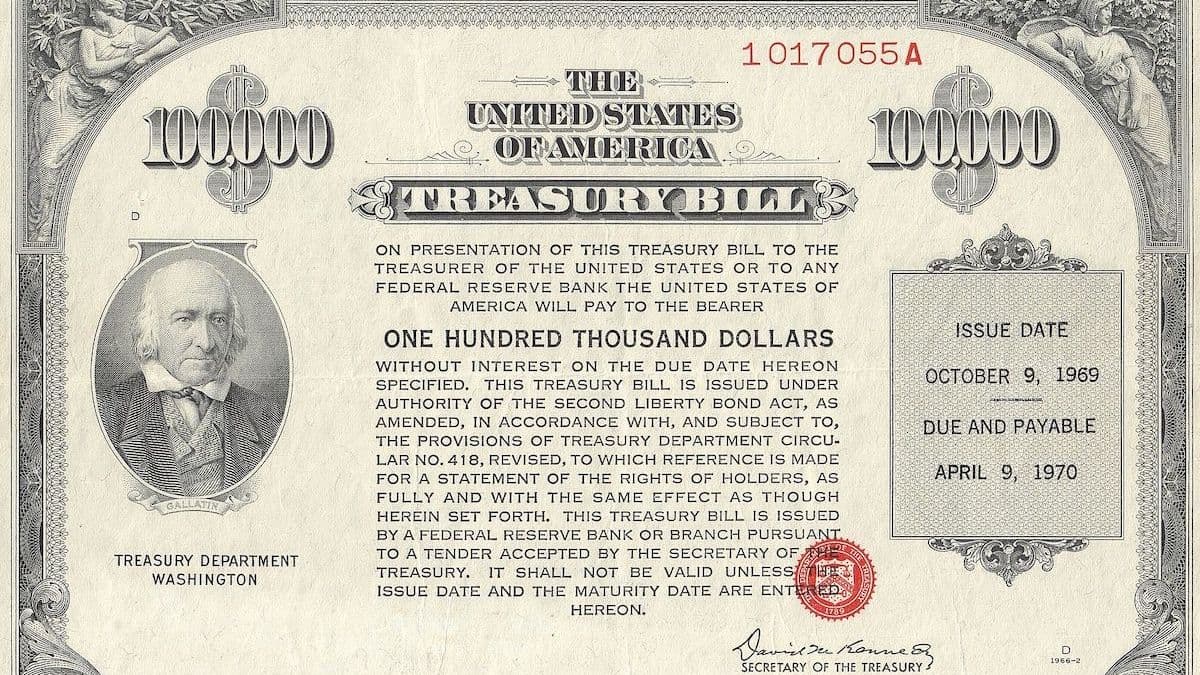
Integrate time locks into your transaction workflow. This creates a mandatory waiting period between transaction submission and execution. Time locks provide a critical window for signers to detect and halt suspicious activity, acting as a circuit breaker against compromised accounts or social engineering attacks.
Store signing keys in hardware security modules or secure enclaves rather than on standard computers. HSMs provide physical and logical isolation for private keys, making them resistant to remote malware and unauthorized access. This is a non-negotiable standard for high-stakes treasury management.
Conduct periodic audits of your treasury operations, including smart contract reviews and access control assessments. Regular testing identifies vulnerabilities before they can be exploited. Treat security as an ongoing process, not a one-time setup, adapting protocols as the threat landscape evolves.
These steps form the backbone of a resilient treasury framework. By combining multi-sig architecture with strict operational controls, organizations can mitigate the inherent risks of digital asset management while maintaining the liquidity needed for strategic operations.
Regulatory compliance and reporting standards
Token treasuries now operate under the same scrutiny as traditional financial institutions. As digital assets mature, regulators are closing the gap between decentralized finance and established banking frameworks. For DAOs and treasury managers, compliance is no longer optional; it is a structural requirement for institutional participation.
The U.S. Treasury’s 2026 report on the GENIUS Act highlights this shift. The legislation explicitly supports financial institutions using innovative tools to combat illicit finance while mandating transparent reporting standards. This dual approach ensures that treasury innovation does not outpace regulatory oversight. DAOs must adapt their reporting mechanisms to align with these emerging federal guidelines to maintain legitimacy and access traditional liquidity.
Global coordination is equally critical. The Financial Action Task Force (FATF) continues to refine its guidance on virtual assets, emphasizing the "travel rule" for cross-border transfers. Treasuries holding significant token volumes must implement robust Know Your Customer (KYC) and Anti-Money Laundering (AML) protocols. Failure to do so invites regulatory penalties and restricts access to fiat on-ramps.
Transparency also extends to internal accounting. Treasuries should adopt real-time reporting dashboards that track asset composition, risk exposure, and transaction history. This level of visibility builds trust with stakeholders and simplifies audits. As the line between crypto and traditional finance blurs, rigorous compliance becomes the foundation of sustainable treasury management.
Frequently asked questions about DAO treasuries
How do DAOs hedge volatility with real-world assets? DAOs hedge volatility by tokenizing real-world assets (RWAs) like treasury bills or real estate. These assets provide stable yield streams that offset the price swings of native governance tokens, creating a more predictable treasury balance sheet.
What is the $30tn tokenization opportunity? Industry reports suggest the tokenization of real-world assets could reach $30tn by 2030. This shift allows traditional assets to benefit from blockchain efficiency, enabling fractional ownership and 24/7 liquidity for institutional treasuries.
No comments yet. Be the first to share your thoughts!